I have a confession: for years, I thought the answer to feeling less overwhelmed was just more. More routines, more lists, more effort. If I could only be more disciplined, more organized, more everything — maybe then things would fall into place.
They didn’t.
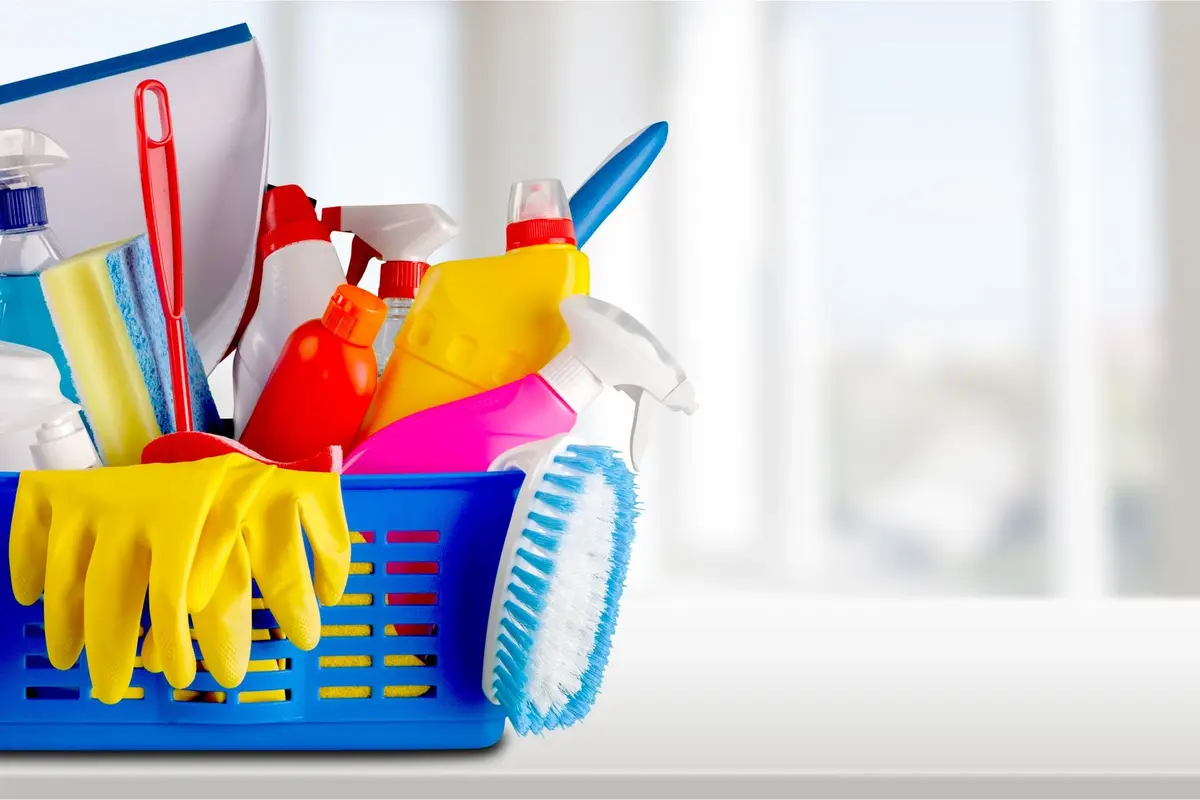
I’d start a budget and abandon it by the third week. I’d clean the kitchen until my arms ached and still feel like it wasn’t enough. Sam would find me in the pantry at 8 p.m., staring at a row of condiments, wondering why any of this mattered.
So recently, instead of making another to-do list, I tried something different: a stop doing list. Not things to add — things to subtract. It sounds almost too simple, but letting go of certain habits has done more for my peace of mind than any new routine ever did.
Here are the ten things I’m actively trying to stop doing.
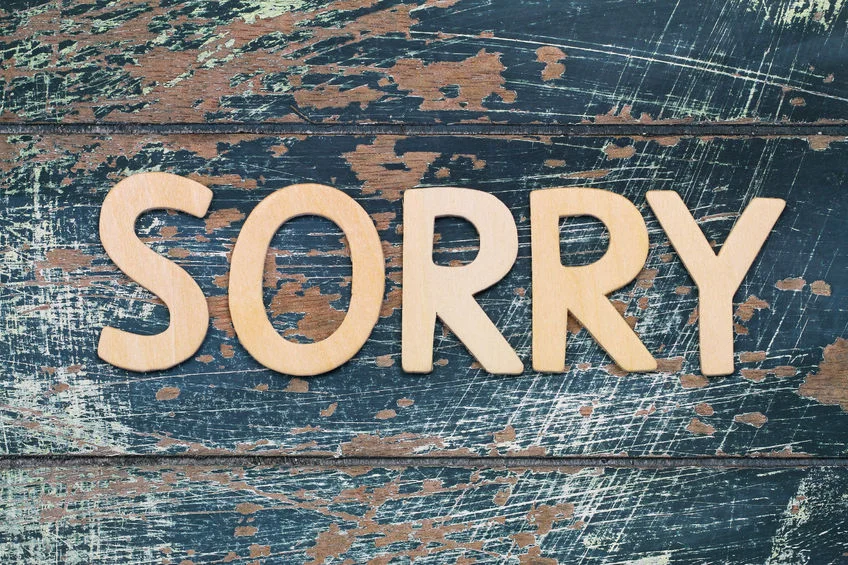
1. Over-apologizing
"I’m sorry I bumped into you." — when really, they bumped into me.
"Sorry for coughing." "Sorry I’m bothering you." "Sorry, but I need the bathroom."
We say sorry for things that aren’t even our fault, until it becomes a reflex. The word loses its weight. When something actually does deserve an apology, the word doesn’t land the way it should.
I’ve been practicing replacements: "excuse me," or just nothing at all. My daughter noticed first. She said, "Mom, are you okay? You stopped saying sorry for existing." I told her that was exactly the point.
2. Comparing My Behind-the-Scenes to Everyone Else’s Highlight Reel
Social media is a beautiful place — and also a deeply unfair mirror. You open Instagram and there’s your friend with the perfectly coordinated family photos, the vacation in Tuscany, the home-cooked meal that looks like it belongs on a food blog.
What you don’t see is the sandcastle our daughter once built in Biscuit’s water bowl. Or the time I burned dinner and we ordered pizza while sitting at the kitchen table in silence. Those moments are real, too — they just don’t get posted.
When scrolling starts making me feel small, I log off. The real world is messier, but it’s also kinder.
3. Buying Things Just Because They’re on Sale
I am guilty of this one. A buy-one-get-one deal feels like a victory before I’ve even reached the checkout. Double coupons? My wallet does a little happy dance.
The problem is that "a good deal" only counts if you actually needed it in the first place. I have a drawer full of candles from clearance aisles, three types of olive oil past their best, and at least one sweater I bought because it was marked down 70 percent and will never be worn.
Now I try this rule: if it’s not on my list, I don’t walk toward the endcap. Even if it’s half price. Especially if it’s half price.
4. Feeling Guilty About Time for Myself
There is a particular kind of guilt that comes with putting your own coffee mug down and picking up your book instead of folding the laundry. I know it well.
When I finally have ten minutes, my instinct has always been to fill them — checking email, wiping counters, doing something useful. But rest isn’t a luxury you earn after everything else is done. It’s what keeps you from burning out before the week is half over.
I’m learning to treat those small pockets of time as gifts I give myself. A chapter of a novel. A shower that lasts longer than three minutes. Chocolate on purpose, not just because it was in my hand.
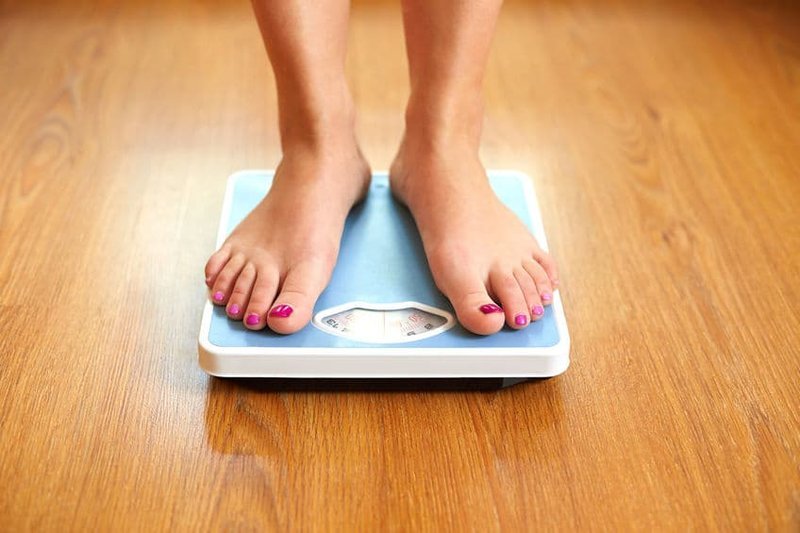
5. Beating Myself Up Over Food
The diet guilt cycle is something I think every woman knows: you resolve to eat better, you pick through a salad for days feeling vaguely miserable, and then you have ice cream — and suddenly the whole week feels like a failure.
Here’s what helps me: food isn’t a moral test. A bowl of pasta doesn’t make you weak. Cheesecake on a Wednesday night doesn’t undo your progress. The goal is nourishment first, flexibility second.
I try to build meals around vegetables and good protein, and I let myself enjoy the treats without announcing them like a betrayal. It sounds small, but it changes how you feel at the dinner table — which is where half our days are spent anyway.
6. Saying "It’s Fine" When It Isn’t
I used to smooth things over instead of naming them. A friend cancels last time again — it’s fine. Someone says something that stings — it’s fine.
But saying everything is okay when it isn’t doesn’t make it disappear. It just teaches the people around you that nothing ever bothers you, so they stop noticing when something actually does.
I’ve started being more honest about what I need and what hurts. Most of the time, the other person didn’t even realize. And the conversations are almost never as awkward as I imagine them beforehand.
7. Trying to Do Everything Alone
Asking for help feels like admitting defeat. We all want to be the ones who have it together — but no one actually does, not on a Tuesday at 6 p.m. when the dishes are piled and someone needs a ride somewhere.
I’ve found that people genuinely want to help; they just need to know where. Asking Sam to handle dinner while I fold the week’s laundry isn’t weakness — it’s teamwork. Same with asking a friend to swap babysitting days, or having our daughter take on one extra chore.
8. Giving Away All My Time
We want to say yes to everything. The PTA meeting, the volunteer coordinator role at school, the charity bake sale — it all feels important, and most of it is.
The cost is that we start taking time away from the people who actually live in our house. Sam goes weeks without a real conversation. Our daughter asks me to play a game and I say "in five minutes" until bedtime comes around.
Learning to decline — gently, without drama — has been one of the most practical things I’ve done this year. You don’t have to do every invitation. Pick and choose. Protect your evenings.
9. Worrying About a Perfect House
Beyond the daily basics — dishes, trash, a quick sweep — everything else can wait. The closet that needs organizing? It’ll survive another month. The fridge that could use a deep clean? Tomorrow is still a possibility.
A tidy house helps me think clearly, but it shouldn’t be a source of low-grade stress every single day. There will always be good weeks and bad weeks. Give yourself permission to pace the big projects instead of carrying them around like guilt.
10. Expecting to Finish My To-Do List
If I don’t check off everything on my daily list, I used to go to bed feeling like I’d fallen behind. The truth is, most items just roll over to the next day with zero consequences.
I didn’t make it to the post office today — fine, I’ll go tomorrow morning. The gift for Saturday’s party isn’t wrapped yet — well, it’s only Tuesday. There will be time.
And when our daughter tugs my sleeve and asks me to come outside for one more game? That’s not a distraction from the list. It is the point of having a life.
It isn’t easy to admit — out loud or even in your own head — that you can’t do it all. But I’ve found that balance doesn’t come from adding pressure. It comes from taking things off your plate entirely. Get clear about what matters most to you, then give yourself permission to let the rest slide a little.
I promise, it will be okay.
A note from Nora: I wrote this list on a notepad and taped it to my kitchen cabinet for about three weeks. By week four, half of it had worn off into habit — or at least, into something that feels less like discipline and more like self-respect. What would you put on your stop doing list? I’d love to hear in the comments.
Keep exploring: simplifying meal planning · about me