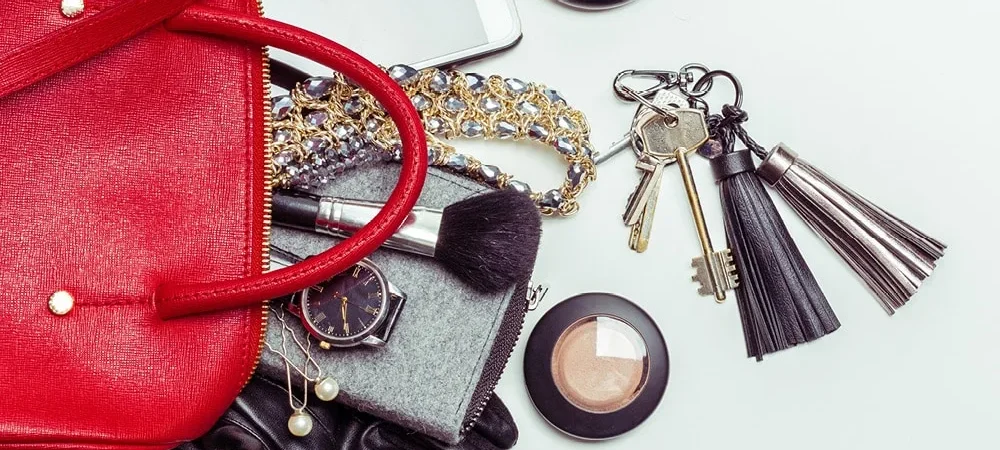
I was running late for our Saturday market trip last spring — the kind of morning where Biscuit refuses to let go of his leash and Sam has already asked me twice if we’re leaving yet — and when I swung my bag onto my shoulder, it hit me. That thing weighed more than the paper bags of apples I was about to buy.
I emptied it that night at the kitchen table and laughed out loud. There was a receipt from March (for what, I couldn’t tell), three pens none of which worked, a handful of change, a full-size makeup kit I hadn’t touched since last summer, my daughter’s spare hair ties, and — get this — my social security card, tucked in the deepest pocket like I expected to need it while buying sourdough.
We do this thing where we try to carry everything we might possibly ever need. It makes sense on paper: be prepared for work, for the kids, for whatever life throws at us. But when your bag starts feeling like a small army’s supply closet, you end up feeling scattered instead of ready.
And there is a real physical cost to all that weight. I started noticing shoulder tension after just a few weeks of carrying my overstuffed tote everywhere. Back strain, neck pain, that familiar ache right between the shoulder blades — it all adds up.
How I finally sorted through it
I worked through this one evening with the TV on and a trash bag within reach. Here is what helped:
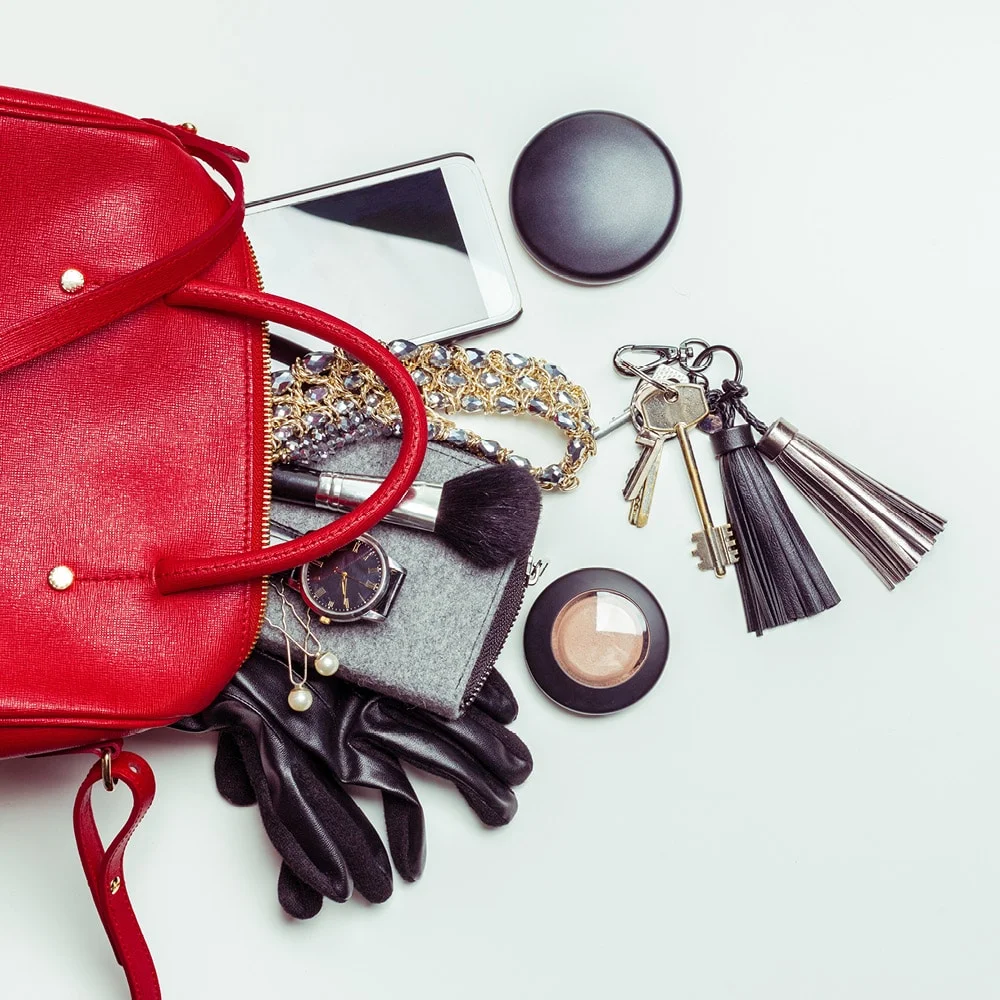
Start by emptying everything out
Pull every single item from your purse and wallet. Spread them across paper towels or a clean tablecloth, grouping similar things together. You will be surprised at what shows up when nothing is hiding in a dark pocket.
Shake it out, then wipe it down
Hold the empty bag over the bin and give it a good shake — inside out if you can manage it. A lint roller or your vacuum’s soft brush attachment clears away crumbs and dust. Then run a damp, alcohol-free wipe over the interior and exterior. Always test cleaner on a hidden spot first.
For canvas bags, a simple rubber eraser lifts most marks. Ink stains respond to an alcohol pad, though I’d be gentle with leather since alcohol dries it out.
Keep only what you actually use
This is the part that requires honesty. Here is what ended up staying in my bag:
- Phone and a small pouch for earbuds
- A pen and tiny notepad (one is enough)
- Sunglasses in their case
- A touch-up kit: lip balm, powder, nail file — nothing more
- Essential medicines and a couple of bandages
- Wallet with cards, cash, and ID
- A small keyring (I keep separate rings for home and work)
- Feminine products in their own pouch
I wiped down each item before putting it back. No more returning sticky or dusty things to a freshly cleaned bag.
Leave the rest behind
This is harder than it sounds, because we attach comfort to carrying extra stuff. But some items simply do not belong in an everyday bag:
- A full makeup collection (your vanity will survive)
- Large notebooks or planners — I keep mine on the desk at home
- Social security cards, passports, and other sensitive documents you rarely need out
- More than a couple of dollars in loose change
- Gift cards for shops you are not visiting today
- A checkbook (if you still use one — I write checks at home now and carry just the one I need)
- Piles of old receipts
Those sensitive documents — passports, national ID cards — sitting loose in your bag are basically asking to be stolen. Gift cards too, since anyone who finds them can use them without showing identification. Keep only what you plan to use on the day’s outing.
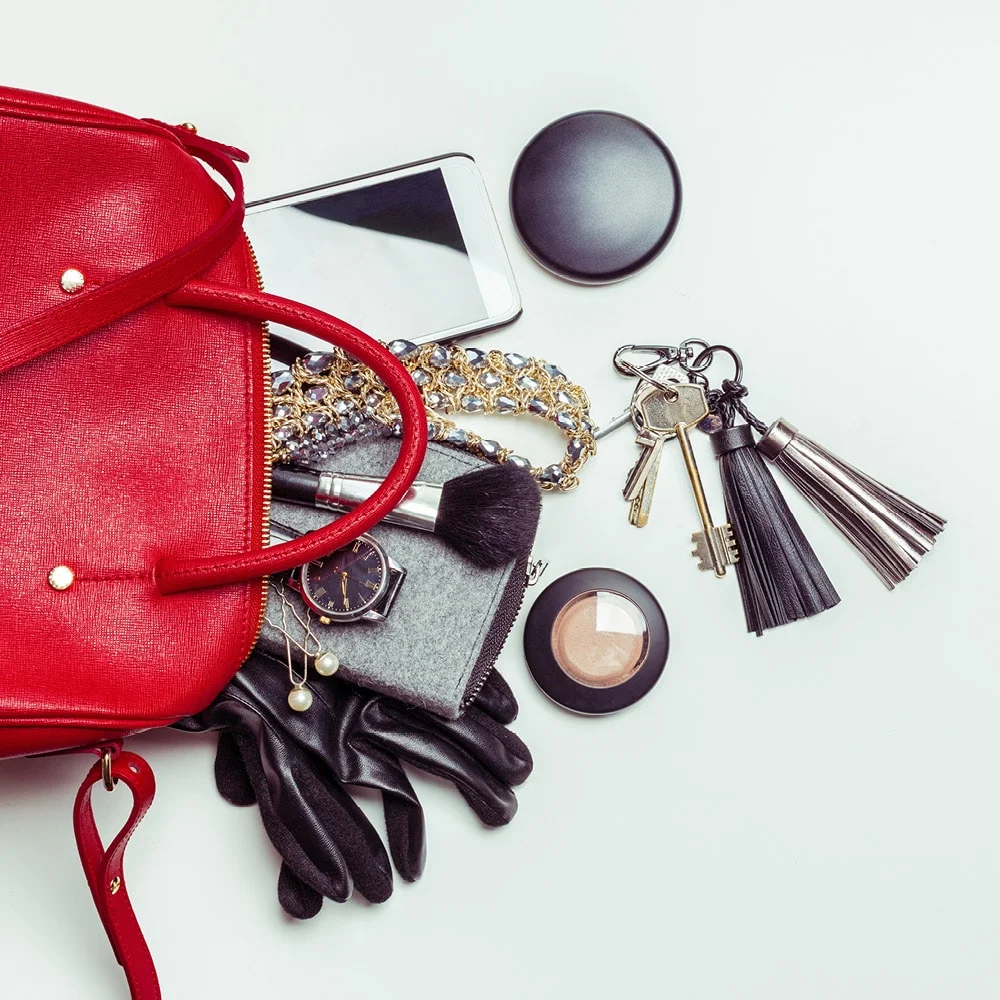
Use pouches so everything has a home
Small bags or zippered pouches changed everything for me. Earbuds go in one, touch-up makeup in another, essentials like mints and a bandage in a third. When I switch handbags — which happens often depending on the day — I just grab the pouches I need and slide them in.
I also started photographing receipts on my phone right away instead of stuffing them into my wallet. They add bulk, attract moisture, and print your credit card details for anyone to see.
Test how heavy it is
Your bag with everything in it should weigh no more than 10 pounds (about 4.5 kg). If you are not sure, step on a scale — once without the bag, once with it. The difference might surprise you.
Build a car kit instead
If leaving things behind makes you anxious, put them somewhere else rather than in your purse. I keep a small emergency bag in my glove compartment: tissues, hand wipes, a pocket knife, a granola bar, and a bottle of water. Knowing those things are waiting for me in the car means I can leave the house with less.
Separate work and gym items
ID badges, spare notebooks, and laptop accessories belong in your work bag, not your everyday purse. Same with gym essentials — membership cards, hair ties, an extra cosmetic pouch. Create dedicated spots for them so you stop double-carrying.
Make a weekly habit of it
I set aside five minutes every Sunday evening to check my bag. Remove the receipts, straighten the pouches, toss anything that does not belong. When your purse is mostly organized already, this takes almost no time at all.
Choosing a new bag (when the old one has had enough)
If you are in the market for a replacement, here is what I look for:
Quality over logos. You do not need to spend a fortune on a designer name. A well-constructed leather bag with solid stitching from an outlet store or shop like TJ Maxx (TK Maxx across the pond) will last far longer than something held together by glue and a big logo. Aim for around $40 — that is usually enough to find something sturdy.
Lightweight when empty. A bag full of hardware, chains, and embellishments adds weight before you even put anything inside. Simple designs in light leather or fabric are easier on your shoulders. And try switching sides throughout the day — it makes a real difference for posture.
Darker colours hide wear better. You do not have to stick with black or brown, but darker tones — jewel tones, greys, patterned fabrics — forgive scratches and stains more gracefully than white or pastel. Watch out for light-coloured stitching; it picks up grime fast.
Built-in pockets help you stay organised. Internal zippered compartments mean everything has a place instead of tumbling into one big cavern.
A few care tips that actually matter
I keep things simple:
- Touch up leather with plain shoe polish or mink oil protectant, tested on a hidden spot first. Skip coloured polishes — they can transfer to your clothes.
- Store bags in felt dust bags or pillowcases, not plastic, which traps moisture. Stuff them with acid-free tissue to hold their shape.
- Keep makeup and liquids in separate pouches. A melted lip balm or leaked lotion can ruin your bag’s lining overnight.
- Hang your bag when you are out, especially at the restroom. There are small folding hooks that fit inside any purse. If your leather bag has protective feet, so much the better.
- Take expensive leather bags to a professional cleaner every year or two if they are looking tired. It is worth it when you plan to keep them for years.
A handbag is more than something you carry — it becomes part of how you move through the world. Keeping it light and organised is one of those small habits that does not fix everything, but it does make ordinary days feel a little easier.
What is the strangest thing you have ever found at the bottom of your bag?
A note from Nora: I told Sam my bag was lighter this week and he said, “So is the couch when you finally sit down.” Fair point.
Keep exploring: my stop-doing list · about me